Tanning: Everything You Need To Know
Sun Tanning and The Risks
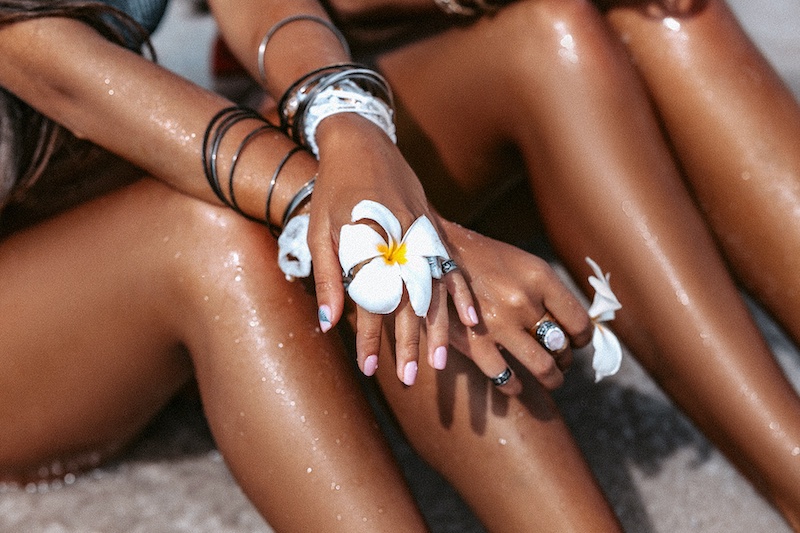
Tanning is an activity that many of us enjoy and is something many of us are familiar with. In brief, it is the act of darkening our skin through UV light radiation from the Sun or even tanning lamps and beds. However, despite its popularity in our society today, things were not always that way… If you are wondering how to tan safely, how tanning actually works and why it’s so popular then allow us to explain. Try our FREE dermatology search engine and get peace of mind within a second
The Popularity Of Tanning
Did you know, tanning was not always as popular as it is today? In fact, in the US and Europe, pre 1920s it was associated with the ‘lower classes’ who worked outdoors and were exposed to sunlight. In that age, many went to great lengths to preserve pallid skin as a sign of how ‘refined’ they were.
Further to this, outdoor clothing covered much of the body to protect it from the sun. As dermatologists, this does make us happy! However, the lead based cosmetics that many added to their skin, not so much! These were used to artificially whiten the skin, and would cause severe complications through lead poisoning.
So what changed? Firstly, science happened. Niels Finsen, was a scientist who won a Nobel prize for his work on light therapy. He discovered that exposure to sunlight would cause Vitamin D production. Further to this, he found that a lack of Vitamin D was causing rickets and therefore, sun therapy and ‘tanning’ was a desirable activity.
Secondly, fashion arrived. There are many stories surrounding the start of this beauty craze but it’s the fashion designer Coco Chanel who apparently put the sensation on the map. The story goes that, after accidentally burning herself on the french riviera many actually liked the look and started to tan themselves. Hence, tanning as it is today was born.
Try our FREE dermatology search engine and get peace of mind within a second.
The Process
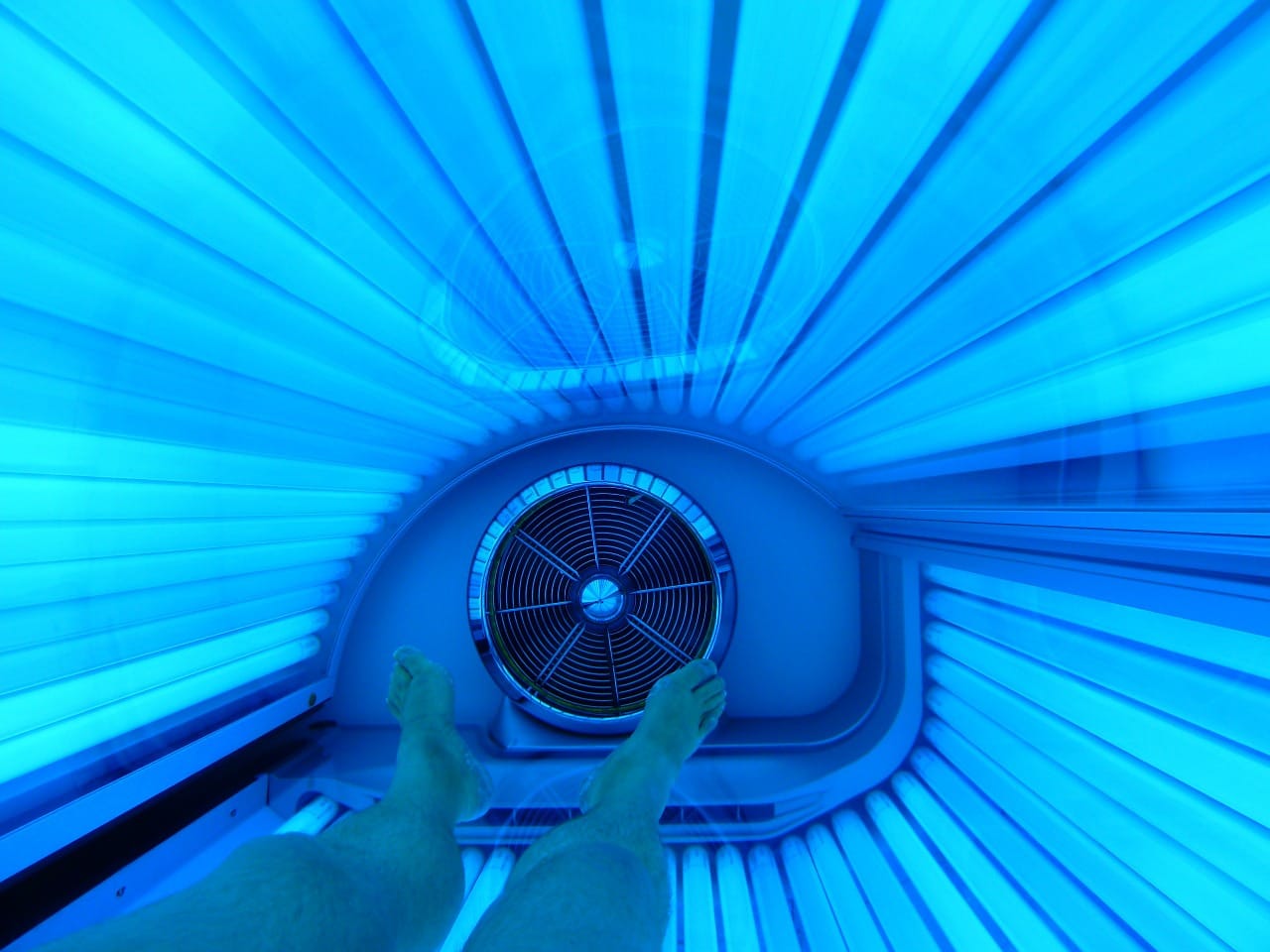
The process of tanning can often be misunderstood, so allow us to explain! The darker colour we see is due to the increased release of melanin pigment, the pigment which gives colour to our skin. Tanning is caused by exposure to ultraviolet (UV) radiation from the sun or tanning beds. It can also cause light-induced genetic damage to cells on your outermost layer of skin.
The skin tries to prevent further injury by producing melanin that results in darkening – what we call a tan. In effect, it is a protective response your body makes to the damage caused by the sun. As you can see, the process can be quite harmful for the skin. The damage caused is also cumulative, starting from the very first time you try to get a tan.
A review by the International Agency for Research on Cancer (IARC) found that first exposure to sun-beds before the age of 35 years increases the risk of melanoma by 75 per cent. Further exposure would then be cumulative. These beds are banned for those below the age of 18 in many countries because of this.
Try our FREE dermatology search engine and get peace of mind within a second.
The Benefits
As mentioned above, tanning does have its benefits. We pretty much all rely on the sun for our Vitamin D intake. Although you can supplement Vitamin D, nothing really compares to sun exposure. Despite this being fact, it doesn’t really justify lengthy tanning sessions and artificial alternatives such as tanning beds.
We only need 15 mins of sunlight either every day or a couple of times a week depending on our skin tone. Sunlight is also a great mood lifter but the jury is still out on why this is. It was believed to have increased endorphin levels but this no longer seems to be true (1, 2, 3). Despite this, it has been proven to improve Seasonal Affective Disorder (4, 5).
One of the main drives for excessive tanning is appearance. A study back in 2007 found that 81% of individuals believed tanning improved appearance. This is a big jump when compared to 58%, 40 years prior in 1967.
Myth-buster: It is frequently believed that using artificial sun beds creates a ‘base tan’. This base tan will then protect from the sun but this is incorrect. UV induced tans offer a protection level of around SPF 3 – 4 (6, 7). This does offer some protection but only blocks a very limited amount of the suns rays (8). Nowhere near enough to provide adequate protection. Stick to appropriate clothing, sunscreens and reduced sun exposure.
Try our FREE dermatology search engine and get peace of mind within a second.
The Dangerous Side
Excessive tanning provides its own risks. Any extended exposure to the sun or UV light will involve taking a risk that could harm your skin. One of the biggest risks is skin cancer. There are three main types of skin cancer associated with tanning:
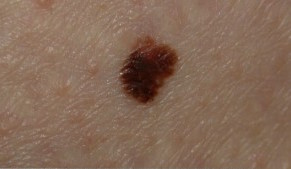
An Example Of Malignant Melanoma Caused by Sun Exposure
You can read more on each of these cancers on the links above and we’ve also created a handy skin cancer quiz to help you spot the signs. Some of these skin cancers are more likely to be caused by burning the skin, others by chronic exposure (9, 10, 11) . We suggest reading up on how to spot them and also how to take preventive action.
Skin ageing. Another of the negatives for tanning is how it ages your skin. This accelerates with frequent tanning due to various reasons (12). One, is our exposure to UV rays which increases the production of ‘free radicals’ – we have more details on these and antioxidants here. Likewise, infrared rays also likely play their part in breaking down collagen which causes the skin to age (13).
Try our FREE dermatology search engine and get peace of mind within a second.
How To Tan Safely
So, all said and done, can you tan safely? You can up to a point! The simplest way to tan safely is to use sunscreen. We know its not a popular option since it slows down the tanning process but it is much safer. Using sunscreen will block out much of the cancer-inducing rays which is vital for protecting your skin.
Use Sunscreen
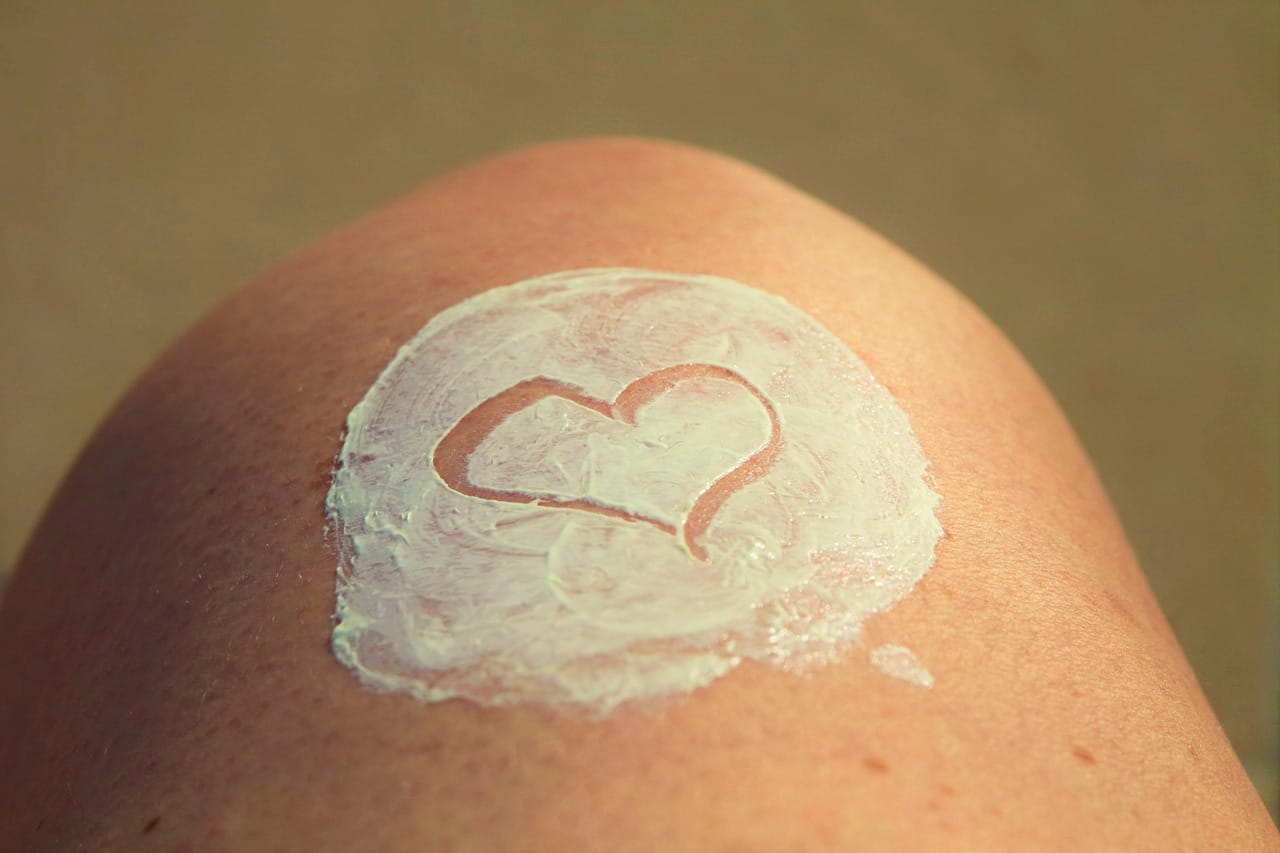
We understand that you are probably annoyed at hearing the word “sunscreen” in almost every beauty post, but trust us. Sun damage has been one of the leading causes of aging, cancer, dryness, and overall damage to your skin cells.
When it comes to tanning, knowing how to apply and use the right sunscreen will help you get the safest tan. Applying a SPF 30+ sunscreen will allow the skin to get lightly tanned while still allowing protection from UV exposure. Reapplying your sunscreen every one to two hours is extremely important to be fully protected. While people often argue that sunscreen will only inhibit you from getting darker. However, it’s better to be patient with a gradual progress than risking skin cancer.
Try our FREE dermatology search engine and get peace of mind within a second.
Fake Tan
Melanin is what allows our skin to adapt to sun exposure. People who have darker skin have more melanin which allows their skin to get more tanned when they are exposed to the sun. However, those with lighter skin have less melanin, meaning that they usually experience sunburns instead.
For those who find it “impossible” to get a tan, fake tan is the optimal and safest solution. By skipping the process of bathing under the sun, you can keep your skin protected while still achieving a healthy, yet effective tan. Remember, fake tanners usually do not carry any SPF in their products, so applying sunscreen is a must.
Avoid Tanning Beds
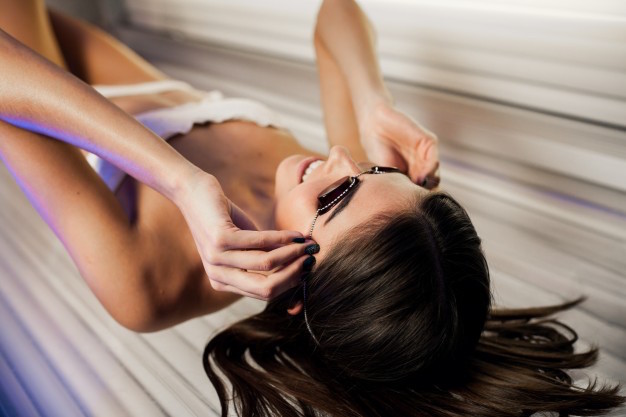
While you may have been told that indoor tanning is a safer alternative than being out in the sun, that is in fact completely untrue. In all, indoor tanning is not only harmful, but outright dangerous for you. There are also many myths about sun beds and we suggest being cautious if you plan to use them.
There is no question that sun beds are not safe for your skin. Just because you are not experiencing any sunburns from your experience, it does not mean it is a safer option for you. These beds utilize a special light bulb that emits concentrated UV rays onto your skin.
This highly damages your skin cells. Statistics show that those who use sun beds before the age of 35 increase their risk of melanoma by 59% with each use. When using tanning beds, the levels of UVA and UVB radiation are much higher than the levels in normal summer light. Also, when people use these beds, their skin is exposed to up to 90% radiation, this is much more than the amount of exposure when we are outdoors. An indoor tan session can therefore be even more harmful than getting a tan the natural way.
Try our FREE dermatology search engine and get peace of mind within a second.
Fast Facts
- Tanning substantially increases your risk of developing cancer, right from the very first time you decide to get a tan with a tanning bed, and then cumulatively increases the risk with every subsequent tan.
- People with pale skin, freckles, and red hair are at an even greater risk of cancer after exposure to tanning.
- It does not help to correct vitamin D deficiencies. The vitamin D requirement is much higher and cannot be met by a single tan.
- You can develop skin sun damage, scars, and blisters if the indoor tanning treatment is not done correctly.
- You will age faster due a process known as photoaging, which is accelerated by tanning. Your skin will develop wrinkles, fine lines, and lose elasticity earlier due to damage with the UV radiation.
- Wearing sunscreen does not protect against the harmful effects of indoor tanning, as most sunscreens are designed to protect against natural sunlight. The amount of radiation with indoor tanning is usually much stronger and higher.
- Getting a base tan before going for a beach holiday is not protective for your skin. It is in fact more harmful.
Get Checked Immediately
If you do notice a spot, mole or otherwise that you are concerned about. We recommend getting checked as soon as possible. Spotting the signs of cancer early can be the defining factor in quick and effective treatment. Consult our online dermatologists today and get an answer on your concern within hours.
Try our FREE dermatology search engine and get peace of mind within a second.
Ask a Dermatologist
Anonymous, fast and secure!
Over 15,000+ Readers
Get fresh content from First Derm


Ask a Dermatologist Now
Anonymous, fast and secure!

The Specialist doctor from the University Hospital in Gothenburg, alumnus UC Berkeley. My doctoral dissertation is about Digital Health and I have published 5 scientific articles in teledermatology and artificial intelligence and others.