Dyshidrotic eczema (dyshidrosis)
Medically reviewed by The Dermatologists and Dennis A Porto, MD written by Dr. Alexander Börve
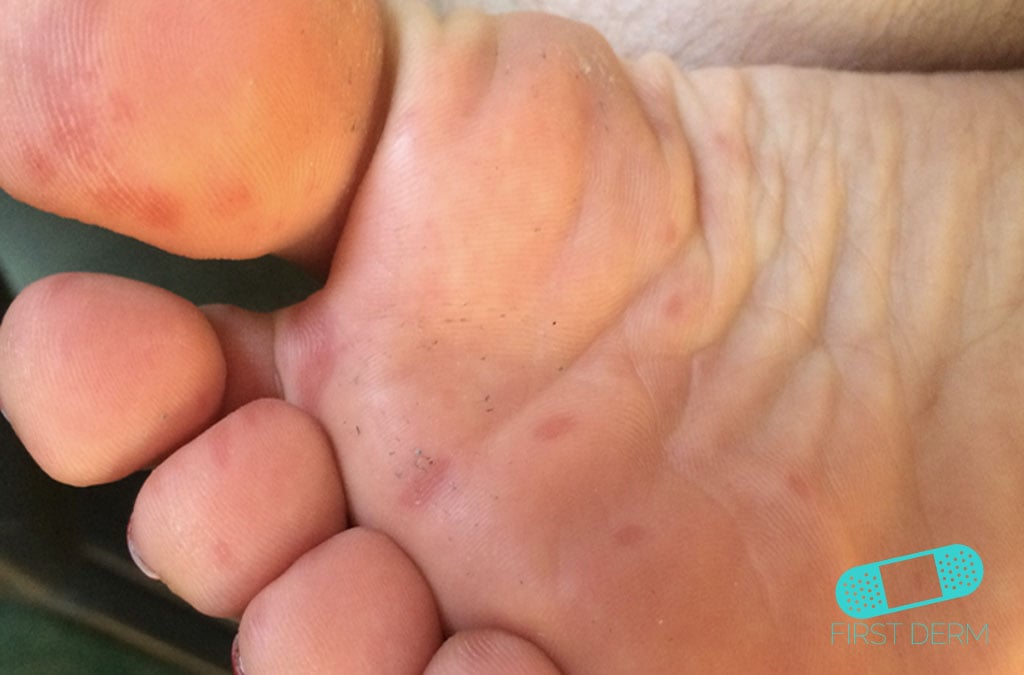
Dyshidrotic eczema fot (2) ICD-10-L30.1
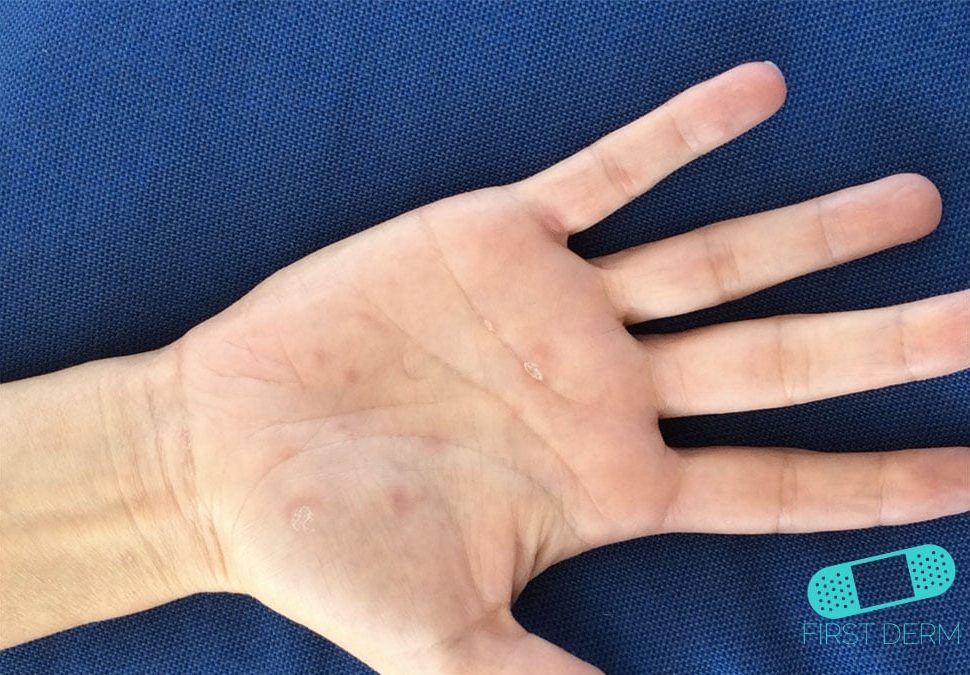
Dyshidrotic eczema hand (11) ICD-10-L30.1
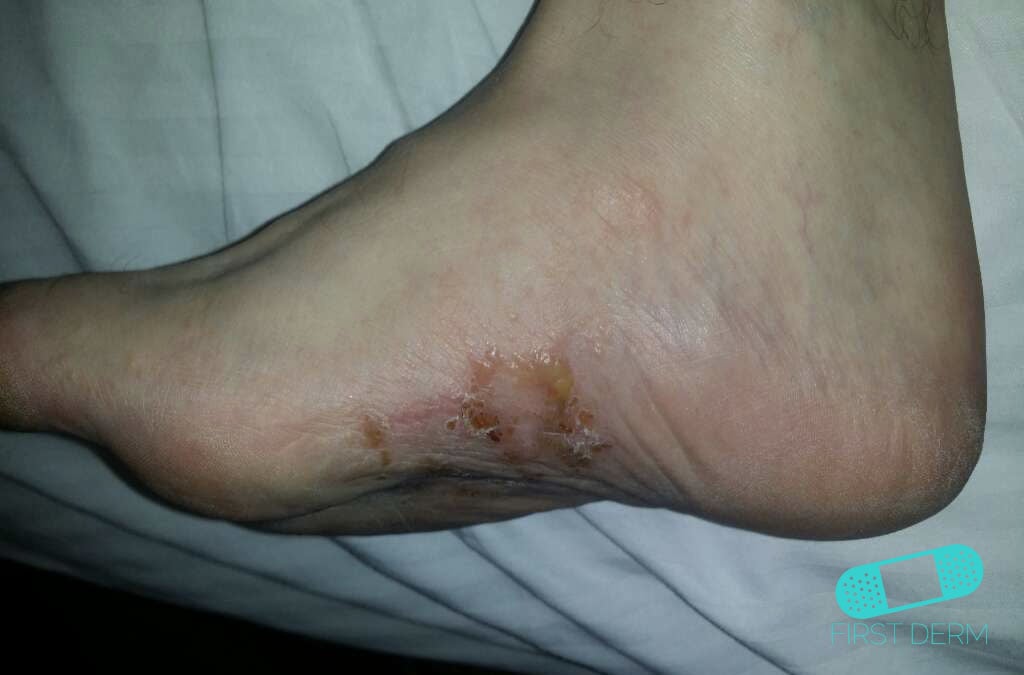
Dyshidrotic eczema (17) fot ICD-10-L30.1
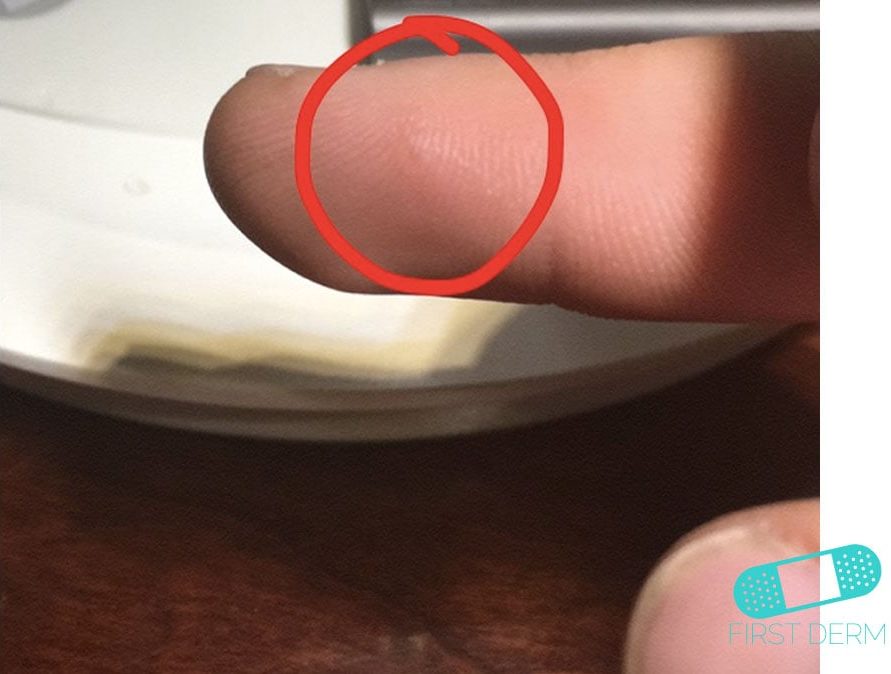
Dyshidrotic eczema (3) ICD-10-L30.1
Common
- Requires medical diagnosis
- Symptoms: Painful and itchy blisters
- Color: Typically red-brown
- Location: On the hands and feet
- Treatment: No known cure; antihistamines can help relieve itching
ICD-10: L30.1
ICD-9: 705.81
Dyshidrotic eczema, also known as dyshidrosis, is a common form of eczema of the hands and feet with significant itching and small vesicles.
The cause is mostly unknown, but stress and sensitive skin can increase susceptibility of dyshidrotic eczema. The same applies for people who have often have their hands moist, in water, exposed to cement, chromium, cobalt or nickel.
This common skin disease has many names, including:
- Cheiropompholyx (affects the hands)
- Dyshidrosis
- Dyshidrotic dermatitis
- Foot-and-hand eczema
- Pedopompholyx (affects the feet)
- Pompholyx
- Vesicular eczema
- Vesicular palmoplantar eczema
Try our FREE dermatology search engine and get peace of mind within a second
Symptoms
This skin condition is characterized by small blisters, which vary in size and often appear in clusters. They usually combine to form larger blisters. These deep-seated blisters are filled with fluid. They typically occur on the sides of fingers, toes, palms or soles. You may also experience excessive sweating at the affected areas.
Blisters are often painful and itchy. When they clear up, the blisters can become dry and flaky, revealing the tender skin underneath. This causes scaly patches on the skin, which then get red and crack.
Flares range from mild to debilitating. A severe flare on your feet can make walking difficult. Having many blisters on your hands can make it difficult to work and perform everyday tasks like shampooing your hair and washing dishes.
Try our FREE dermatology search engine and get peace of mind within a second
What can I do?
You can apply cool compresses for 15 minutes 2 to 4 times a day to dry the blisters. After each cool compress you need to apply a medicated cream or ointment.
Corticosteroids can reduce the inflammation and clear the blisters. An antihistamine pill or other anti-itch medicine can reduce scratching. This is helpful because scratching tends to worsen the condition. A cream or lotion containing pramoxine helps relieve itch and pain as well.
A dermatologist can come up with a treatment plan that you can follow at home.
Should I seek medical care?
The blisters usually clear in 2 to 3 weeks — or sooner with treatment. If the dyshidrotic eczema is infected, you will experience pain, swelling, crusting and pus-filled blisters. In this case, contact your healthcare provider. As with most conditions of the skin, if a rash doesn’t heal on its own, recurs, or gets worse, a dermatologist should be consulted. A dermatologist will then determine the type of infection and prescribe medication according or devise a treatment plan.
Try our FREE dermatology search engine and get peace of mind within a second
Treatment
Unfortunately, there is no cure for dyshidrotic eczema. However, antihistamines pills and corticosteroid ointments can help.
Source:
National Eczema Association. Dyshidrotic eczema. Available at: https://nationaleczema.org/eczema/types-of-eczema/dyshidrotic-eczema/
American Academy of Dermatology. Available at: https://www.aad.org/public/diseases/eczema/dyshidrotic-eczema
Ask a Dermatologist Now
Anonymous, fast and secure!

The Specialist doctor from the University Hospital in Gothenburg, alumnus UC Berkeley. My doctoral dissertation is about Digital Health and I have published 5 scientific articles in teledermatology and artificial intelligence and others.