Lichen Planus
Medically reviewed by The Dermatologists and written by Dr. Alexander Börve
Common More than 200,000 US cases per year
- Usually diagnosed clinically, but a biopsy may be needed in uncertain cases.
- Symptoms: Small elevated lesions joined together to produce larger thicker areas of rash
- Color: Typically red, pink, or violet, may also have a white, lacy appearance
- Location: Scars or cracks on the skin, usually on the wrists, ankles, or lower legs, also around the mouth, genitals
- Treatment: Includes prescription tablets (such as corticosteroids), topical medications, phototherapy, and in some cases, systemic medications.
For most people, the rash disappears without any treatment within one to two years, but sometimes they remain longer. After the rash disappears, the affected area may have a brown or gray color for a few months. The disease may recur.
Why It Happens & Who Gets It
The exact cause of lichen planus is unknown. However, it is thought to be an immune-mediated condition, similar to an autoimmune disease. This means that the body’s immune system mistakenly attacks its own tissues.
Potential Triggers and Risk Factors
- Certain medications may induce lichenoid drug eruptions, which resemble lichen planus but are not the same condition.
- Dental Materials: Contact allergies to metals used in dental restorations, such as amalgam, gold, copper, and mercury, may trigger oral lichen planus.
- Hepatitis C Virus (HCV): There is an association between lichen planus and HCV.
- Some case reports suggest an association between COVID-19 and lichen planus, but more research is needed to confirm causality.
- Genetics: There may be a genetic predisposition to lichen planus.
- Age: Lichen planus is most common in adults between the ages of 30 and 60.
Stress can exacerbate lichen planus symptoms, but it is not considered a direct cause. Lichen planus can occur at any age, but it is most common in middle age.The lesions of lichen planus may appear at the sites of previous skin injury (Koebner phenomenon).
Symptoms and Subtypes of Lichen Planus
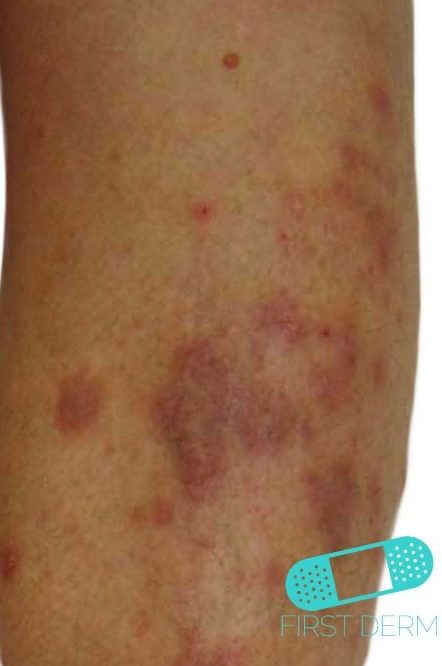
Lichen planus develops over one to a few weeks and is characterized by small, red-pink-violet elevated lesions. These flat spots may join together to produce larger thicker angular areas. The rash on the skin may cause itching.

Lichen planus on the hand presenting as small, itchy, reddish-purple bumps that merge into larger patches, causing a scaly appearance
Classic Symptoms
- Appearance: Small, flat-topped bumps (papules) that are reddish-purple or violet in color. These bumps can merge to form larger, thicker patches (plaques).
- Itching: The rash is often itchy, sometimes intensely so.
- Location: Commonly found on the wrists, ankles, lower legs, and lower back. It can also appear on the mucous membranes (inside the mouth, genitals).
- Wickham Striae: A hallmark feature is the presence of fine, white lines (Wickham striae) on the surface of the lesions.
- Koebner Phenomenon: New lesions may appear at sites of skin injury or scratching.

Lichen planus on the abdomen showing multiple reddish-purple, itchy bumps that merge into larger plaques
Subtypes of Lichen Planus
Skin-related subtypes
- Hypertrophic Lichen Planus: Thick, scaly lesions, often on the shins and ankles.
- Bullous Lichen Planus: Blisters (bullae) filled with clear or pale-yellow fluid, often on the legs.
- Pigmentosus Lichen Planus: Darker pigmented spots, often in sun-exposed areas.
- Ulcerative Lichen Planus: Painful, erosive lesions, typically on the soles of the feet or between the toes.
- Lichen Planus Pemphigoides: Features of lichen planus with blisters on both lesions and unaffected skin.
- Inverse Lichen Planus: Occurs in skin folds (armpits, groin), with reddish patches and less distinct borders.
Mucosal subtypes
- Oral Lichen Planus:Affects the mucous membranes of the mouth.Can present as white, lacy lines (reticular), red and painful areas (erosive/atrophic), or other forms.Can be mistaken for other oral conditions like leukoplakia or candidiasis.
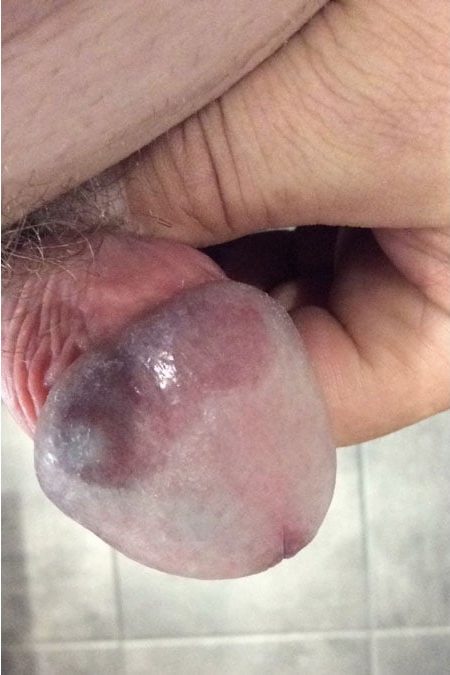
- Genital Lichen Planus: Can affect the penis, vulva, or vagina. May cause pain, scarring, or strictures.Vulvovaginal-gingival syndrome is a severe form that affects the mouth and genitals.
Hair and nail subtypes
- Lichen Planopilaris (LPP): Affects the scalp and hair-bearing areas, leading to hair loss. Frontal fibrosing alopecia is a form that affects the frontal scalp and eyebrows. Graham-Little-Piccardi-Lasseur syndrome is a familial form.
- Nail Lichen Planus:Affects the nails, causing thinning, ridging, and potentially nail loss. 20-nail dystrophy affects all 20 nails.
Lichenoid Drug Eruptions
- Lichenoid Drug Eruptions: Caused by medications. Often appear in sun-exposed areas. May resemble eczema or psoriasis.
Diagnosis of Lichen Planus
Your healthcare provider will ask about your symptoms, including when they started, how often they occur, and what makes them better or worse.Then he will examine your skin, nails, and mouth for signs of lichen planus. Examining with dermatoscope, a handheld device with a magnifying lens and a light, may be used to visualize the lesions more closely. If lesions are suspicious you will be asked to take a biopsy,a small sample of skin taken for examination under a microscope. If oral lichen planus is suspected to be related to dental materials, patch testing may be performed to identify any allergies.In some cases, blood tests may be ordered to check for hepatitis C or other underlying conditions.
Management of Lichen Planus
Managing lichen planus involves a combination of medical treatments and self-care strategies. While spontaneous resolution occurs in some patients, many individuals benefit from treatment to mitigate symptoms, prevent disease progression, and minimize recurrences.
Proactive Self-Care and Lifestyle Modifications
- Trigger Identification and Avoidance:
- Recognizing and minimizing exposure to exacerbating factors, such as stress, excessive heat, strong sunlight, and mechanical irritation, is fundamental.
- Stress Reduction Techniques:
- Implementing stress management strategies, including meditation, mindfulness, and regular exercise, can mitigate stress-induced flare-ups.
- Pruritus Management:
- Employing cool compresses, oatmeal baths, and emollients can alleviate pruritus. Avoiding scratching and using protective bandages can prevent secondary infections and Koebner phenomenon.
- Gentle Skin Hygiene:
- Utilizing lukewarm water and fragrance-free cleansers, and patting the skin dry gently, minimizes irritation.
- Nail and Cuticle Care:
- Regularly applying emollients, maintaining short and smooth nails, and wearing protective gloves can prevent nail lichen planus complications.
- Oral Hygiene Practices:
- Gentle brushing with a soft toothbrush, flossing, and using bland oral care products are essential for oral lichen planus management. Regular dental check-ups and avoidance of irritants like tobacco and alcohol are crucial.
- Scalp and Hair Care (Lichen Planopilaris):
- Utilizing mild, sulfate-free shampoos, limiting heat and chemical styling, and applying cool compresses can minimize scalp irritation and hair loss.
- Genital Lichen Planus Care:
- Opting for showers over baths, applying cold packs for pruritus, and wearing loose-fitting clothing can reduce genital discomfort.
Medical Treatment Strategies
- Medications to Reduce Inflammation
- Topical Corticosteroids: As a cornerstone of initial therapy, super-potent corticosteroids like clobetasol are employed to suppress localized inflammation and alleviate pruritus in limited cutaneous lichen planus.
- Intralesional Corticosteroid Therapy: For recalcitrant lesions unresponsive to topical agents, intralesional injections of triamcinolone provide a more direct and potent anti-inflammatory effect.
- Systemic Corticosteroids: In cases of diffuse or rapidly progressing lichen planus, short-term courses of oral corticosteroids, such as prednisone, are utilized to achieve rapid disease control.
- Immune-Suppressing Treatments: When corticosteroids prove inadequate or long-term management is required, second-line therapies, including metronidazole, sulfasalazine, retinoids (isotretinoin, acitretin), and methotrexate, are considered. These agents modulate the immune response to reduce inflammation
- Phototherapy: Ultraviolet light therapy, including PUVA and narrowband UVB, offers an alternative or adjunctive treatment modality for widespread or refractory lichen planus.
- Topical Calcineurin Inhibitors: Tacrolimus and pimecrolimus provide non-steroidal anti-inflammatory options for localized disease, particularly in sensitive areas or for long-term maintenance.
- Biologic medications (such as etanercept or adalimumab) may be used in rare, severe cases that do not respond to conventional treatments.
- Oral Lichen Planus Management: Treatment focuses on symptom relief and prevention of complications, utilizing topical or systemic corticosteroids, topical calcineurin inhibitors, or immunosuppressants. Irritant avoidance, including spicy foods and alcohol, is crucial.
- Drug-Induced Lichen Planus Protocol: A thorough review of medication history is essential. Discontinuation of the offending drug is the primary intervention, leading to gradual lesion resolution.
Location-Specific Recommendations
- Cutaneous Lichen Planus:
- Gentle skin care, pruritus management, and trigger avoidance are paramount.
- Lichen Planopilaris:
- Gentle scalp hygiene, avoidance of irritants, and prompt management of worsening symptoms are essential to prevent scarring alopecia.
- Oral Lichen Planus:
- Meticulous oral hygiene, irritant avoidance, and regular dental follow-ups are crucial.
- Nail Lichen Planus:
- Nail moisturization, protective measures, and prompt reporting of nail changes are vital.
- Genital Lichen Planus:
- Gentle hygiene practices and symptom management are essential.
What to Expect Over Time
The course of lichen planus varies depending on the subtype and individual factors.
Chronic erosive variants of lichen planus (especially oral and genital) may have a prolonged course. There is a slightly increased risk of squamous cell carcinoma (a type of skin cancer) in areas affected by chronic erosive lichen planus.Regular follow-up with a dermatologist is important to monitor the course of the disease and adjust treatment as needed.
Potential Complications of Lichen Planus
While lichen planus often resolves without long-term issues, it can sometimes lead to complications, especially in chronic cases or when mucous membranes are involved
- Oral Lichen Planus: Painful, open sores (erosions) can develop in the mouth. Increased risk of secondary infections like oral thrush. Slightly increased risk of developing oral cancer (squamous cell carcinoma) over time.
- Genital Lichen Planus: Scarring and narrowing (strictures) of the affected areas. Discomfort or pain during intercourse.
- Skin Lichen Planus: Darker or lighter patches (post-inflammatory hyperpigmentation) may remain after lesions heal. Permanent hair loss can occur with lichen planopilaris.
- Nail Lichen Planus: Permanent nail damage or loss.
- Impact on Quality of Life:Severe itching, pain, or visible lesions can cause emotional distress and affect daily activities.
When to See a Doctor
Seek medical advice promptly if your symptoms:
- Worsen or Spread: Increased itching, spreading of the rash, or appearance of new lesions.
- Show Signs of Infection: Redness, swelling, warmth, pus, or fever.
- Oral Symptoms: Painful, persistent mouth sores that interfere with eating or oral hygiene.
- Genital Symptoms: Any discomfort, itching, pain, or visible changes in the genital area.
- Impact Daily Activities: Affect your sleep, work, emotional well-being, or overall quality of life.
- Fail to Improve: Symptoms persist or worsen despite ongoing treatment.
- New or Changing Lesions: Any new lumps, bumps, sores, or other suspicious skin changes.
For genital lichen planus, consider consulting your healthcare provider for a referral to a gynecologist or urologist. For oral lichen planus, a dentist or dermatologist consultation is beneficial, especially for managing discomfort and preventing complications.
Early consultation and ongoing monitoring are essential to effectively manage symptoms and minimize complications.
Concerned about an itchy, purple rash or scaly bumps?
First Derm provides a fast, anonymous way to have your skin symptoms reviewed by a board-certified dermatologist.
✔ 100% confidential & anonymous – No personal details needed
✔ No appointments or waiting rooms – Expert insights anytime, anywhere
✔ Rapid relief from uncertainty – Avoid waiting weeks for an in-person visit
✔ Clear answers – Find out if your symptoms could indicate Lichen Planus or another skin condition
Simply upload two clear photos (close-up & overview) with a brief description of your symptoms and receive expert feedback within hours.
Summary
Lichen planus, an immune-mediated inflammatory condition affecting the skin, mucous membranes, nails, and hair, presents with a variety of clinical manifestations and subtypes. While often resolving spontaneously, particularly in its cutaneous form, it can also become a chronic condition with significant impact on quality of life, especially when involving oral or genital mucosa. Effective management relies on a combination of medical interventions, including topical and systemic therapies, alongside diligent self-care practices. Early diagnosis, trigger avoidance, and close monitoring for potential complications are crucial for optimizing patient outcomes and minimizing long-term effects.
References
- Arnold DL, Krishnamurthy K. Lichen Planus. In: StatPearls [Internet]. Treasure Island (FL): StatPearls Publishing; 2025 Jan-. Updated October 29, 2024. Available from: https://www.ncbi.nlm.nih.gov/books/NBK526126/.
- Ludmann P. Lichen Planus: Dermatologists’ Tips to Help You Feel Better. American Academy of Dermatology. Reviewed by Davis D, Gallo E, Kwan WW, Lipner S. Last updated January 27, 2025. Available at: https://www.aad.org/public/diseases/a-z/lichen-planus-self-care. Accessed November 25, 2024.
- Le Cleach L, Chosidow O. Lichen Planus. N Engl J Med. 2012;366(8):723-732. doi:10.1056/NEJMcp1103641.
- Berger TG. Lichen Planus. JAMA Dermatol. 2015;151(3):356. doi:10.1001/jamadermatol.2014.5522.
Ask a Dermatologist
Anonymous, fast and secure!

The Specialist doctor from the University Hospital in Gothenburg, alumnus UC Berkeley. My doctoral dissertation is about Digital Health and I have published 5 scientific articles in teledermatology and artificial intelligence and others.